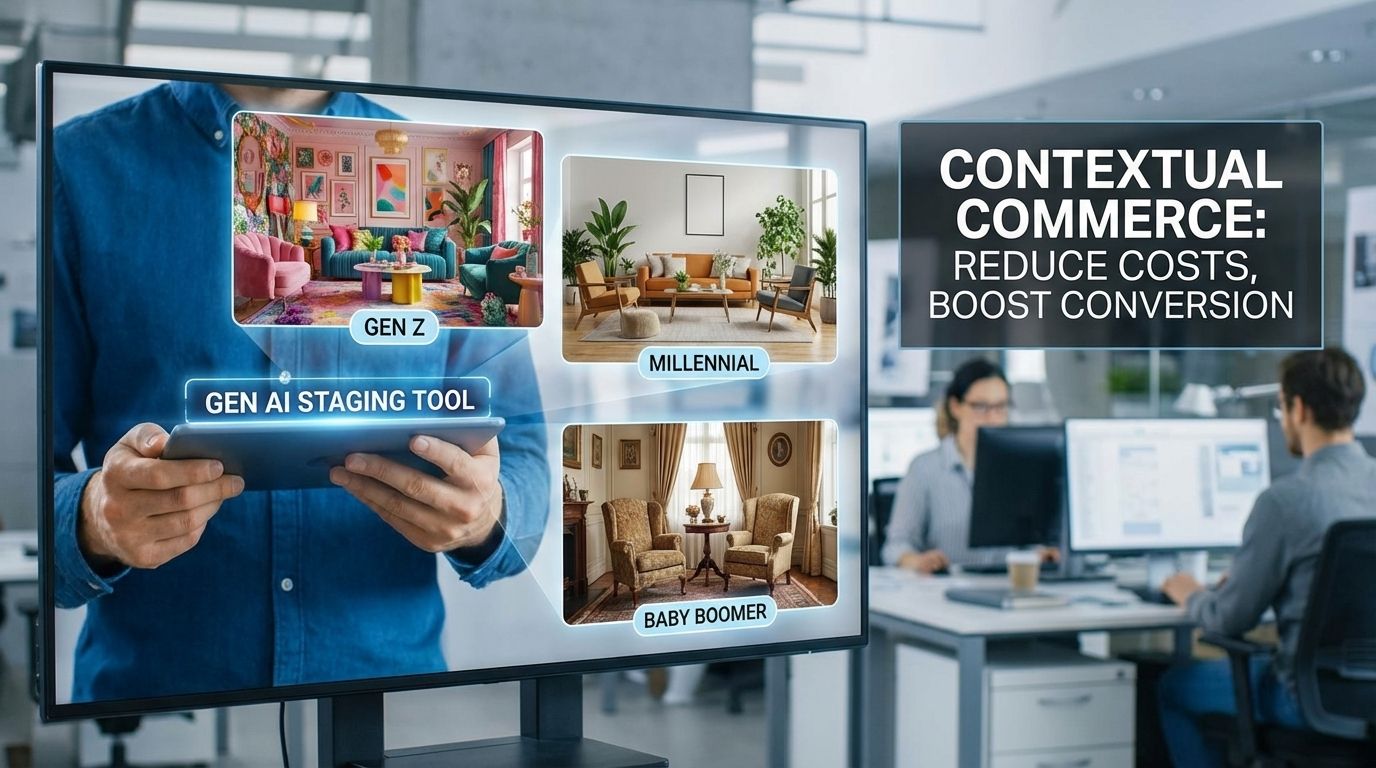

The Gen Z Paradigm Shift – From Minimalism to Maximalism
The dominance of minimalism in interior design, characterized by clean lines, neutral palettes, and a focus on essentialism, has faced a formidable challenger in recent years from Generation Z. This demographic, often defined as digital natives born between 1997 and 2012, is rewriting the rules of home decor with a philosophy that champions abundance, emotion, and radical individuality. This shift is not merely aesthetic but a cultural rebellion against the neutrality of the Millennial era, driven by unique psychological needs and economic realities.
The Psychology of Dopamine Decor
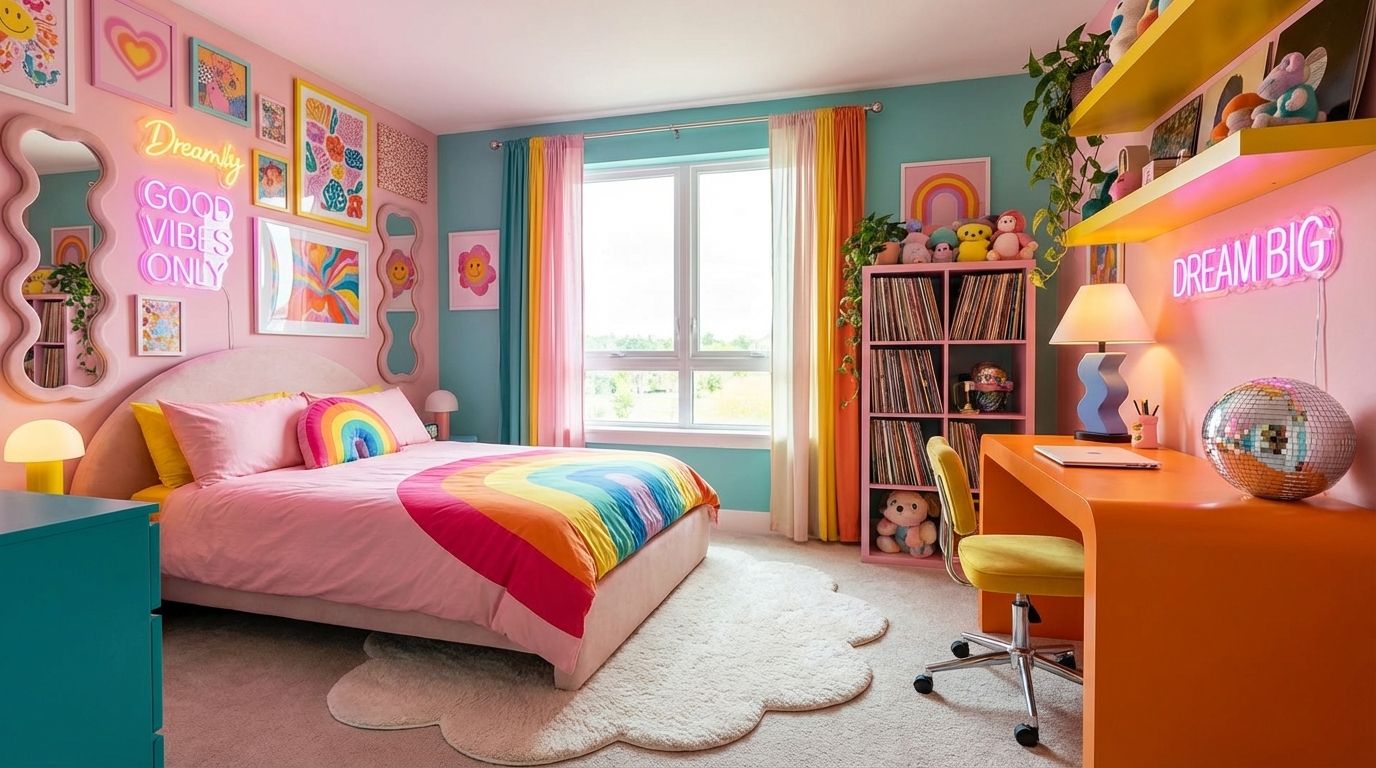
At the heart of the Gen Z aesthetic is the concept of Dopamine Decor. This term refers to the intentional use of color, texture, and nostalgia to induce a chemical reward response, specifically the release of dopamine, in the brain. Unlike previous design movements that prioritized status or resale value, dopamine decor prioritizes the immediate emotional state of the occupant.
The roots of this movement lie in the collective trauma of the COVID-19 pandemic. For many in Generation Z, their formative years or early adulthood were spent in lockdown. Their bedrooms and apartments transformed from mere sleeping quarters into classrooms, offices, social hubs, and sanctuaries. The result was a rejection of the sterile qualities of extreme minimalism. Instead, they sought to create spaces that felt like a warm embrace that was energizing, comforting, and visually stimulating.
Research supports the efficacy of this approach. Bold colors such as yellow, orange, and pink are known to stimulate the brain’s arousal centers, enhancing mood and creativity. Generation Z utilizes these colors not as subtle accents but as dominant features. Trends for 2025 indicate a surge in lacquer red, acid green, and electric blue. These hues are often paired in unexpected, high-contrast combinations that defy traditional color theory, creating a visual vibrancy that demands attention.
Cluttercore and the Anti-Design Movement
A significant component of Gen Z maximalism is Cluttercore. This term, which gained traction on TikTok, reframes mess as curation. It involves the dense layering of objects such as books, trinkets, art, plants, and vintage finds to create a space that feels lived-in and deeply personal.
Cluttercore functions as a form of Anti-Design. It actively resists the polished, showroom-perfect aesthetic popularized by Millennial influencers on Instagram. Where the Millennial home often looks staged for an audience, the Gen Z home looks curated for the self. The presence of clutter is seen as a sign of life and authenticity. It tells a story of who lives there, what they love, and where they have been.
This movement also embraces Weirdcore and kitsch. Objects that might traditionally be considered tacky are elevated to status symbols. These items serve as conversation starters and markers of a unique identity. The goal is to create a space that rejects the generic in favor of the specific and strange.

Economic Constraints Driving Aesthetic Choices
The economic context of Generation Z cannot be separated from their aesthetic choices. As a generation facing high housing costs and a volatile rental market, many are excluded from homeownership and the ability to make structural changes to their living spaces. Consequently, their design interventions must be non-permanent and portable.
Maximalism offers a high visual impact for a low cost. It relies heavily on decor rather than renovations. This has driven the popularity of thrifting and upcycling. Gen Z is the driving force behind the resurgence of secondhand furniture. They view thrifting not just as a budget necessity but as a treasure hunt for unique pieces that no one else has. A generic piece of furniture is often viewed as a blank canvas. Painting a dresser in a checkerboard pattern or tiling a side table allows for personalization without the price tag of custom furniture. While they value sustainability, the desire for constant novelty also drives consumption of affordable, trend-driven decor items like candles, posters, and throw pillows.
Key Aesthetic Codes: Curves, Mushrooms, and Chaos
Specific visual motifs define the current Gen Z maximalist wave.
- Curvilinear Forms: There is a strong preference for chubby or curvaceous furniture. Sofas with rounded edges, tubular steel chairs, and wavy mirrors soften the harsh lines of typical rental apartments. These shapes evoke a sense of playfulness and comfort.
- Biophilic Whimsy: While Millennials loved houseplants, Gen Z takes nature inspiration into the realm of fantasy. The mushroom motif has been ubiquitous, appearing in lamps, rugs, and prints. It represents a connection to nature that is magical and slightly psychedelic rather than strictly botanical.
- Checkerboard: A reimagining of the classic pattern, often in warped or colorful variations, appearing on rugs, bedding, and ceramics. It provides a graphic anchor in otherwise chaotic rooms.
Gen Z maximalism is a complex interplay of psychological needs, economic adaptation, and digital expression. It demands that brands move beyond safe, neutral designs and embrace a bolder, more narrative-driven approach to product creation and visualization.
The Longevity Economy – Boomers, Gen X, and the Demand for Luxury
While the cultural conversation often fixates on the youth, the economic power in the home furnishings market resides heavily with Baby Boomers and Generation X. These cohorts control the vast majority of housing wealth and disposable income. Their design preferences, while less volatile than Gen Z’s, are evolving in significant ways that require nuanced attention from retailers. The defining theme for this demographic is the intersection of luxury, longevity, and accessibility.
The New Face of Aging in Place
The concept of aging in place is the primary driver for Boomer renovation and furnishing decisions. However, the current iteration of this trend differs markedly from the clinical approach of the past. Today’s Boomers demand invisible or luxury accessibility. They refuse to compromise on aesthetics for the sake of function.
This demand is reshaping product requirements. Furniture must offer higher seat heights and firmer support to assist with standing, but it must look like high-end design, not medical equipment. Recliners are being redesigned with sleek lines and premium leathers to fit into formal living rooms. Open floor plans, once a trend for entertaining, are now prized for mobility. Clear pathways for walkers or wheelchairs are anticipated needs. This influences furniture scale, as pieces need to be substantial but not obstructive.
Aesthetic Conservatism: Quality Over Quantity
In direct contrast to the fast-paced trend cycles of Gen Z, Boomers and older Gen Xers prioritize longevity. Having accumulated possessions over decades, many are in a phase of editing or downsizing. When they do purchase, they buy pieces meant to last.
There is a strong preference for authentic, natural materials. Solid wood is preferred over veneers or laminates. Natural stone, wool, and linen convey the tactile quality this generation associates with value. They are skeptical of fast furniture and are willing to pay a premium for craftsmanship that promises durability.
The aesthetic comfort zone for this group lies in Traditional and Transitional design. This involves classic silhouettes, symmetry, and a warm, neutral palette. Grandmillennial style has some crossover here, as it validates the Boomer love for floral chintz, antique wood, and china collections. However, Boomers tend to execute this with more restraint and order than their grandchildren.
Gen X: The Functional Bridge
Generation X acts as the bridge between the digital-native youth and the traditionalist elders. Their homes are often high-traffic zones, balancing remote work, raising children, and caring for aging parents. Consequently, their primary design value is functionality.
Gen X drove the adoption of performance fabrics in indoor furniture. They want the white sofa look but need it to survive red wine spills and muddy paws. Culturally rooted in the analog-to-digital transition, Gen X appreciates a mix. They are the primary consumers of Industrial Modern and Rustic Modern styles. These styles offer durability and a lack of pretension that appeals to their pragmatic nature.
The Millennial Middle Ground: Warm Minimalism
Sandwiched between the emerging maximalists and the established traditionalists are the Millennials. This generation, now entering their peak earning years, still largely adheres to the principles of mid-century modern design and minimalism, though with evolving nuances.
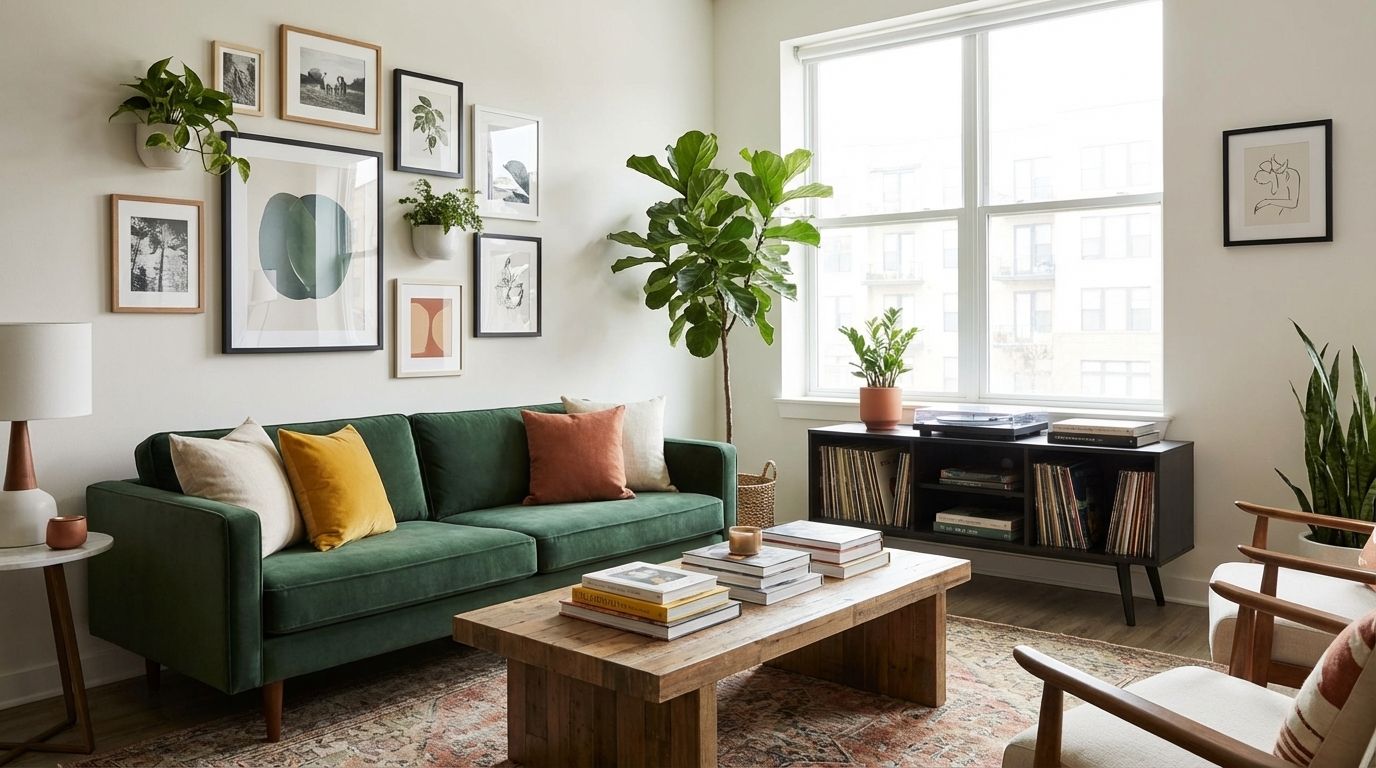
Millennial interiors are typically grounded in neutrals, providing a calming backdrop that contrasts with the sensory overload of the outside world. They prioritize functionality and flow, often favoring open-concept layouts that facilitate social interaction and family life. However, the sterile grey-on-grey palette is slowly warming up.
The evolution of Millennial style involves the incorporation of biophilic elements and warm minimalism. Plants are a staple, serving as living decor that bridges the gap between indoors and outdoors. While they are less likely to paint a room acid green, Millennials are increasingly open to small infusions of color through textiles and art. They value nostalgic touches, but their nostalgia is often curated and orderly, focusing on vintage mid-century pieces or heirlooms that have a clear provenance.
A key distinction is the Millennial desire for a polished and finished look. They often view the chaotic energy of Generation Z maximalism as stressful or messy. For Millennials, a home is a sanctuary of peace. For Generation Z, it is a playground of expression. This fundamental difference in how the home is perceived dictates the divergence in their purchasing behaviors.

The Multi-Generational Challenge
A growing trend is the multi-generational household, where Boomers move in with Gen X children, or Gen Z adults return home. This creates a complex design challenge where a single home must now accommodate the safety needs of the elderly, the functional needs of the parents, and the aesthetic demands of the youth.
Retailers catering to this segment must offer modular solutions. A caregiver suite or an accessory dwelling unit (ADU) requires compact, multifunctional furniture that is stylish yet accessible. This is a burgeoning market niche where the ability to visualize different configurations becomes a powerful sales tool.
In summary, the Longevity Economy is driven by a desire for stability, comfort, and enduring quality. While less visually loud than Gen Z trends, the spending power of this group makes their preferences for luxury accessibility and traditional aesthetics a cornerstone of the market.
The Technological Bridge – Generative AI in Furniture Retail
The stark divergence in aesthetic preferences between generations creates a significant logistical and financial hurdle for furniture retailers. To successfully market a single product to both a Gen Z maximalist and a Boomer traditionalist requires presenting that product in two radically different contexts.
Historically, this meant physical staging. This process is slow, expensive, and rigid. Once a photo is taken, the context is fixed. Generative Artificial Intelligence (GenAI) has emerged as the technological bridge capable of spanning this divide, offering the ability to dynamically re-contextualize products at scale.
The Limitations of Traditional Visual Merchandising
Traditional photography and 3D rendering (CGI) have long been the standard for furniture retail. However, both have limitations in the current fragmented market. A professional photo shoot for a furniture collection can cost tens of thousands of dollars. It involves shipping heavy items to a studio, risking damage, and managing complex logistics. A lifestyle shot taken in a minimalist loft appeals to the Millennial buyer but may alienate the Boomer who cannot visualize the piece in their traditional home. The retailer is forced to choose a neutral aesthetic that often excites no one. The lead time for physical photography is measured in weeks or months. In the era of micro-trends, traditional photography is too slow to capitalize on viral moments.
The Rise of AI-Driven Virtual Staging
Generative AI transforms the visual merchandising workflow. By using AI, retailers can take a simple product photo and generate an infinite number of photorealistic backgrounds and contexts around it.
This technology allows for Hyper-Personalization of the visual experience. A brand can use AI to generate a Dopamine Decor background for their Instagram ads targeting Gen Z. Simultaneously, they can generate a Quiet Luxury background for the same product to target Boomers on Facebook or via email newsletters. AI can also adapt the scenery outside the window. A customer in Florida might see the furniture in a room with tropical sunlight and palms, while a customer in New York sees a cityscape. This Hyper-Relevance increases the emotional connection and perceived value of the product.
Economic Impact and ROI
The adoption of GenAI in visual merchandising offers compelling economic benefits. AI generation eliminates the costs of studio rental, set construction, and physical logistics. Lucid Modules offers ROI calculators demonstrating that the shift to AI can reduce visual production costs significantly compared to traditional methods.
Technical Foundations
The effectiveness of this technology relies on advanced computer vision and machine learning models. The critical first step is accurately separating the product from its original background. Tools like Vision by Lucid Modules use models like InSPyReNet to achieve high-resolution segmentation. This is vital for furniture with complex edges. If the cutout is jagged or artificial, the illusion breaks, and consumer trust is lost.
Generative AI acts as a force multiplier for furniture retailers. It allows a single inventory to inhabit multiple aesthetic worlds simultaneously, effectively solving the problem of generational marketing segmentation through automated, scalable visual creativity.
Vision by Lucid Modules – A Case Study in Contextual Commerce
Among the emerging landscape of AI visual tools, Vision by Lucid Modules represents a specialized solution tailored for the eCommerce sector. Unlike general-purpose AI art generators which create images from scratch, Vision is engineered to preserve the integrity of a specific product while manipulating its environment. This distinction is crucial for retail, where the product depiction must remain accurate to reduce returns and maintain trust.
Core Capabilities and Architecture
Vision by Lucid Modules functions as a product visualization platform that integrates directly into the eCommerce workflow. Its architecture is designed to solve specific pain points of online merchandising.
- Product Staging and Contextual Placement: The platform’s primary function is to place product cutouts into generated backgrounds. It moves beyond simple background replacement by understanding the perspective and lighting of the scene. It allows for the creation of environments that range from California Modern to European Countryside, effectively allowing a brand to travel the world without leaving the server.
- Batch Processing for Consistency: One of the hurdles of using generative AI is the slot machine effect, where results can be unpredictable. Vision addresses this with batch processing capabilities that emphasize consistency. A retailer can define a specific style prompt and apply it to 50 different SKUs simultaneously. This capability is critical for creating cohesive collection pages or catalogs where visual harmony is required.
Application: Lifestyle Personalization
Vision’s Lifestyle Personalization feature directly addresses the generational divide. It allows retailers to turn a single static photo into a matrix of lifestyle shots targeting different personas.
- The Hyper-Relevance Engine: The platform promotes the concept of hyper-relevance. For a Gen Z shopper, the AI can generate a background that mirrors the cluttered and colorful aesthetic of a first apartment. For a Gen X shopper, the same product can be staged in a family-oriented, durable living space. This capability transforms the product image from a static document into a dynamic marketing asset.
- Virtual Apparel and Textile Modeling: While the report focuses on furniture, Vision’s capability to merge product images with virtual models has implications for home textiles. Blankets, curtains, and rugs can be visualized in use, adding a layer of human scale and softness that technical renders often lack.
Technical Specifications and Integration
To function effectively in a professional retail environment, Vision supports high-resolution outputs suitable for retina displays and print catalogs. It supports standard image formats and recommends input resolutions of at least full HD to ensure the output remains sharp. The AI handles the upscaling and detailing required to make the background match the quality of the high-res product shot.
Strategic Value for Retailers
The strategic value of Vision extends beyond cost savings. It empowers Agile Merchandising. A brand can A/B test different background styles to see which drives higher click-through rates. Vision allows this data to be gathered empirically without the cost of two photo shoots. Inventory that is stale can be refreshed visually. A table that didn’t sell in the summer campaign can be instantly re-staged in a cozy autumn setting with warm lighting, giving it a second life in the sales cycle.
Vision is a dedicated engine for Contextual Commerce. It automates the creative labor of staging, allowing retailers to deploy highly targeted, generation-specific visuals with speed and precision.
Strategic Application – Engineering Visuals for Gen Z
To use AI tools like Vision effectively, retailers must master Prompt Engineering, the art of describing images to the AI. For this demographic, the goal is to generate images that feel authentic, energetic, and anti-corporate. The clean, white-background studio shot is invisible to Gen Z. They crave vibes and narrative.
Deconstructing the Maximalist Prompt
When targeting Gen Z, the AI prompts must explicitly request elements of Dopamine Decor and Cluttercore. A prompt that simply says modern living room will default to a Millennial or neutral aesthetic. The language must be specific and sensory.
Key Prompt Ingredients for Gen Z:
- Color Strategy: Use terms like high saturation, color-blocking, and specific trending hues such as lacquer red or cobalt blue. Avoid neutral or beige.
- Lighting: Request sun-drenched, golden hour, hard flash photography, or neon ambient lighting.
- Decor Density: Use keywords like cluttercore, eclectic mix, gallery wall, filled bookshelves, and plants everywhere.
- Specific Motifs: Integrate trending items to signal relevance, such as disco ball, wavy rug, ceramic mushroom, vintage posters, or vinyl records.
Example Prompt Construction:
A chaotic and cozy maximalist living room, Gen Z aesthetic, eclectic decor, gallery wall with mismatched colorful frames, hanging plants, disco ball reflection on the wall, sunlight streaming in, vintage checkerboard rug, vibrant and energetic atmosphere, 8k resolution, photorealistic.
Creating Vibes and Social Currency
Gen Z shopping is often social. They share potential purchases on TikTok or Instagram Stories. The image must therefore serve as a piece of content in itself.
- The Unperfect Aesthetic: Paradoxically, for AI images to feel authentic to Gen Z, they shouldn’t look too perfect. Prompts that ask for lived-in or messy details, like an open book on the table, a coffee cup, or a thrown blanket, create a sense of reality. This aligns with the raw aesthetic noted by Instagram’s leadership as a growing trend.
- Nostalgia Engineering: Applying the Weirdcore or Y2K trends requires prompts that evoke specific eras. 1990s bedroom aesthetic, inflatable furniture vibe, or retro-futurism can contextualize a product in a way that triggers nostalgic joy.
Case Scenario: The Boring Product
Consider a retailer selling a basic white bookshelf.
- Traditional Approach: Stage it with neatly aligned books and one vase.
- Gen Z AI Approach: Use Vision to place the bookshelf in a room with purple walls. Fill the shelves virtually with colorful vinyl records, plush toys, and trailing ivy. Add a neon sign effect on the adjacent wall.
- Result: The bookshelf transforms from a utility item into a vessel for self-expression. The image communicates that this shelf can handle chaos.
Visualizing Sustainability
Since sustainability is a core Gen Z value, AI can be used to visualize the product in an eco-conscious context. The context can be a sun-filled apartment with many plants or upcycled decor. While the image is AI-generated, it frames the product as part of a thoughtful, curated life. This appeals to the generation’s desire for mindful consumption.
With prompts that embrace chaos, color, and nostalgia, retailers can use tools like Vision to make their products speak the language of Generation Z fluently.
Strategic Application – Engineering Visuals for the Longevity Market
Marketing to Baby Boomers and Gen X requires a fundamentally different prompt strategy. While Gen Z seeks stimulation, these generations seek reassurance, comfort, and stability. The AI must be directed to create environments that exude quality and Quiet Luxury.
Deconstructing the Luxury Prompt
The visual language for the Longevity Market is rooted in traditional architectural codes and material richness. The goal is to make the product look like a forever purchase.
Key Prompt Ingredients for Boomers/Gen X:
- Architectural Detail: Use terms that imply permanent wealth. Crown molding, wainscoting, hardwood floors, floor-to-ceiling windows, high ceilings, stone fireplace.
- Lighting: Request soft diffuse lighting, warm ambient light, airy, bright, morning sun. Avoid harsh shadows or neon tones.
- Styling: Keywords should focus on order and elegance. Curated, sophisticated, minimalist but warm, biophilic design.
- Materiality: Emphasize textures that convey quality. Velvet, linen, natural oak, marble, travertine.
Example Prompt Construction:
A serene and sophisticated living room, traditional luxury style, warm neutral color palette, creamy white walls with wainscoting, large windows with view of a garden, soft sunlight, oak flooring, fresh hydrangeas in a vase, high-end interior design, photorealistic, 8k.
Visualizing Accessibility and Comfort
For the Aging in Place market, the visual context must subtly signal accessibility without being clinical. Prompts should emphasize open layout or wide pathways. This signals to the Boomer buyer that the furniture fits into a home designed for mobility.
The environment should feel grounded. Avoid floating or surreal elements. The product should look firmly planted on the floor.
Lighting prompts are crucial here. Well-lit or bright reading nook signals functionality for aging eyes. A dark, moody room might look cool to a Millennial but looks hard to navigate to a senior.
Case Scenario: The Dated Product
Consider a retailer selling a heavy, dark wood dining table, a style Gen Z might reject.
- Traditional Approach: A dark room that makes the table look heavy and imposing.
- Boomer/Gen X AI Approach: Use Vision to place the table in a transitional dining room. Use light airy walls, modern chandelier, and fresh greenery in the prompt.
- Result: The heavy table is re-contextualized as a grounding anchor in a modern space. It bridges the gap between the Boomer’s love for wood and the desire for a lighter, more modern home feel.
The Multi-Generational Appeal
For Gen X, the bridge generation, prompts should mix elements. Hybrid aesthetics like the industrial modern or rustic chic are effective.
Show the furniture in a multi-use context. A dining table that also looks like a workspace appeals to the Gen X work-from-home reality. The prompt might be a modern farmhouse dining room, rustic wood beams, an open-plan kitchen in the background, laptop on the table, warm and inviting, family home atmosphere.
Targeting Millennials: Engineering Warm Minimalism
Millennials require a balance. They want the cleanliness of minimalism but without the coldness. The AI should create organized, balanced spaces with organic textures and soft lighting.
Key Prompt Ingredients for Millennials:
- Keywords: Japandi, Scandi-boho, organic modern, earth tones, sage green, terracotta, matte black accents.
- Atmosphere: Zen, balanced, peaceful, hygge.
- Specific Elements: Dried pampas grass, boucle throw pillows, ceramic pottery, line art, matte finish surfaces.
Example Prompt Construction:
The chair is placed in a space with sage green walls, an organic modern jute rug, and a large fiddle-leaf fig tree. The composition is symmetrical and uncluttered. Peaceful, balanced atmosphere, 8k resolution, photorealistic.
ROI and Business Impact
The implementation of AI-driven visual merchandising is not merely a creative exercise. It is a financial imperative. The transition from physical photography to generative imaging impacts the Profit and Loss statement through three primary levers of Cost Reduction, Speed to Market, and Conversion Rate Optimization.
Cost Efficiency Analysis
The traditional photography model is capital-intensive. A typical furniture photo shoot requires logistics for shipping large items, studio rental fees, talent costs for photographers and stylists, and post-production retouching. A single lifestyle image can cost upwards of hundreds or thousands of dollars depending on complexity.
In contrast, AI model costs involve subscription fee and content manager’s labor. Platforms like Lucid Modules operate on SaaS models. A single digital merchandiser can generate hundreds of images. The cost of generating one additional variation is effectively zero. Companies investing in AI visual generation can see production cost reductions of 50 to 90 percent compared to physical shoots.
Conversion Rate Optimization (CRO)
The most significant ROI comes from the uplift in sales. Data indicates that companies excelling in personalization generate 40% more revenue than peers. Specifically, personalized product recommendations and imagery can increase conversion rates significantly.
When a customer sees a product in a familiar context, the cognitive effort required to visualize ownership decreases. This friction reduction leads to faster purchase decisions.
AI allows for rapid A/B testing of imagery. Retailers can test a Minimalist vs. Maximalist image for the same SKU. Determining the winner allows for data-driven merchandising that maximizes revenue per visitor.
Speed to Market and Trend Capitalization
In the current retail environment, speed is a competitive advantage. If a specific color trends on social media, a traditional retailer would need months to manufacture and photograph new products.
With AI, a retailer can take existing grey sofas, use Vision to place them in a trending colored room, and launch a campaign within 24 hours. Marketing assets can be created before the product arrives in the warehouse. Using CAD files or factory prototypes, AI can generate the full marketing suite while the goods are still in transit, effectively shortening the concept-to-cash cycle.
Comparative ROI Table
| Metric | Traditional Photography | AI Visual Merchandising | Impact |
|---|---|---|---|
| Cost Per Image | High ($500+) | Low (<$10) | >90% Savings |
| Time to Market | Weeks/Months | Hours/Minutes | Agility |
| Variations | Limited (1-2 angles) | Infinite | Personalization |
| Flexibility | Fixed (Static Image) | Dynamic (Re-promptable) | Adaptability |
| Logistics | High (Shipping/Warehousing) | Zero (Digital Only) | Operational Efficiency |
The ROI of GenAI in furniture retail is multidimensional. It lowers the barrier to entry for high-quality creative work while simultaneously raising the ceiling for revenue generation through hyper-personalization.
Risks, Ethics, and Brand Consistency
While the benefits of AI in retail are substantial, the technology introduces new risks that CEOs must manage. The unbridled use of generative tools can lead to brand dilution, legal exposure, and consumer mistrust if not governed by a robust framework.
The Hallucination Problem and Physical Logic
Generative AI models, despite their sophistication, do not know physics. They only know patterns. This leads to hallucinations or errors where the AI generates plausible but impossible details.
An AI might generate a chair with five legs, or a shadow that falls in the wrong direction relative to the window. In furniture retail, where the customer is assessing the stability and build quality of an item, these visual glitches can be disastrous. They signal fake and low quality.
A common issue is scale. The AI might place a coffee table next to a sofa but render the table as tiny as a footstool. This misleads the customer about the actual dimensions of the product, potentially leading to high return rates. Human-in-the-loop quality assurance is essential.
AI should be viewed as a drafting tool, with final approval requiring a human eye to check for physical logic and scale accuracy.
Brand Consistency vs. Hyper-Personalization
There is a strategic tension between personalizing content for every user and maintaining a cohesive brand identity. If a brand known for mid-century modern style starts generating neon, maximalist imagery to chase Gen Z, it risks confusing its core customer base. The brand needs to decide on its identity boundaries.
Retailers must establish prompt guardrails. This involves creating a standardized set of negative prompts (what not to include) and required stylistic elements to ensure that even diverse images feel like they belong to the same family.
Legal and Ethical Landscape
The legal status of AI-generated content is evolving. In many jurisdictions, AI-generated images cannot be copyrighted. This means a competitor could theoretically scrape a retailer’s AI-generated marketing assets and use them.
Using AI to fix a product, such as smoothing out wrinkles in fabric, crosses the line into deceptive advertising. There is a growing consumer demand for transparency. Retailers should consider labeling images as AI Visualization or Virtually Staged. This builds trust, assuring the customer that while the room is fake, the product depiction is accurate.
Social media platforms are increasingly requiring disclosures for AI-generated content. Failure to comply could lead to algorithmic penalties.
Data Privacy and Security
Many AI tools run in the cloud and require uploading product assets. Retailers must ensure that their proprietary designs are not used to train public models, potentially exposing their intellectual property to competitors. Enterprise-grade agreements with AI vendors must include data segregation clauses.
Future Outlook
The convergence of generational aesthetic fragmentation and generative AI represents a turning point for the home furnishings’ industry.
The days of the mass market aesthetic are over.
We have entered the era of the micro-market, where Gen Z demands dopamine-fueled maximalism and Boomers demand luxury accessibility.
For industry leaders, the path forward is clear. They must embrace agility, as the ability to pivot visually is now as important as supply chain agility. They must invest in prompt talent, as the ability to write effective AI prompts is a critical skill set. They must use AI to bridge the gap, making inventory relevant to everyone. A single chair can be the hero of a Gen Z story and a Boomer story if the brand has the tools to tell both.
Finally, they must guard trust. As images become fluid, truth becomes the premium asset. AI should be used to enhance context, never to misrepresent the product.
Retailers can secure their place in the homes of 2026 and beyond with tools like Vision by Lucid Modules. Generative AI is the cornerstone to a strategic framework that respects the unique psychology of each generation.
References
- Gen Z’s Dopamine Décor Trend Brings Bold Colour Back, https://www.istitutomarangoni.com/en/maze35/community/dopamine-decor-gen-z-bold-colour-interior-trend
- Dopamine Décor: The Colorful Trend That’s Sparking Joy—or Stress?, https://hivefurnitureshow.com/dopamine-decor-the-colorful-trend-thats-sparking-joy-or-stress/
- How Gen Z Adopted Dopamine Décor and Made It Better, https://patternandsupply.com/blogs/design/how-gen-z-adopted-dopamine-decor-and-made-it-better
- How Dopamine Decor Shapes Gen Z and Millennial Home Design …, https://formofurniture.com/blogs/news/how-dopamine-decor-shapes-gen-z-and-millennial-home-design-trends
- 6 Ways the Home Building Industry is Adapting Aging-in-Place in 2025, https://www.newhomesource.com/news/homebuyer-trends/ways-home-building-industry-adapting-aging-in-place-2025/
- Interior Design Trends for Different Generations: from Gen Z to Baby …, https://www.page.hiiguru.com/post/interior-design-trends-for-different-generations-from-gen-z-to-baby-boomers
- Unveiling Gen Z’s whimsy trendsetting interior spaces - Qalara Blog, https://www.qalara.com/blog/gen-z-and-interior-spaces/
- Interior Design Trends Between Generations - Vidhathri Developers, https://vidhathridevelopers.com/interior-design-trends-between-generations-boomers-gen-x-and-millennials/
- All Facts, No Cap: Gen Z vs Millennials’ Interior Design Preferences, https://qanvast.com/sg/articles/all-facts-no-cap-gen-z-vs-millennials-interior-design-preferences-3209
- Gen Z v Millennial styling trends: How the two generations differ, https://www.domain.com.au/living/gen-z-vs-millennial-interior-design-1400334/
- AI Personalization Trends in ECOMMERCE 2025 | Feedcast.ai, https://feedcast.ai/en/blog/ai-personalization-trends-in-ecommerce
- Millennial Home Decor Is These 6 Things — How Many Do You Have?, https://www.livingetc.com/ideas/gen-z-millennial-home-decor
- AI-Generated Product Images: The Good, the Bad, and the Business …, https://www.crobenchmark.com/blog/ai-generated-product-images-ecommerce
- Think Twice Before Using AI for Your Brand Identity, https://www.yellowduckmarketing.com/think-twice-before-using-ai-for-your-brand-identity/
- Ethical Considerations in AI Virtual Staging: Transparency and …, https://stagedbyai.com/blog/ai-technology/ethical-considerations-in-ai-virtual-staging-transparency-and-authenticity
- Gen Z vs. Millennial Interior Design Trends: A Stylish Showdown, https://floori.io/video/gen-z-vs-millennial-interior-design-trends-a-stylish-showdown/
- Three Design Trends Baby Boomers Will Love, https://seniorshousingbusiness.com/three-design-trends-baby-boomers-will-love/
- 8 Senior Living & Care Design Trends to Watch in 2025, https://www.rhein-arc.com/top-design-trends-for-senior-living-and-care-in-2025
- Designing for Different Generations: Homes for Millennials vs. Gen X …, https://www.milindpai.com/designing-for-different-generations-homes-for-millennials-vs-gen-x-vs-boomers
- Wooden Furniture Trends 2025–2026 | Solid Wood Style Guide, https://ecofurnituredesign.com/wooden-furniture-trends/
- 25 Home Design Trends Defining How We’ll Live in 2026 - Houzz, https://www.houzz.com/magazine/25-home-design-trends-defining-how-well-live-in-2026-stsetivw-vs~183837788
- 2025 Furniture Trends: Colors, Textures and Styles - Bomonti life, https://www.bomontilife.com/en/2025-furniture-trends-colors-textures-and-styles
- Interior Design Trends: Boomers vs. Millennials vs. Gen X - Refloor, https://www.refloor.com/posts/generational-interior-design-trends
- Top Product Photography Trends in 2025: AI, AR, UGC, and What’s …, https://www.kalory.co.uk/product-photography-trends-2025-ai-ar-ugc/
- How to Create Photorealistic Renderings with AI (2025) - ArchiVinci, https://www.archivinci.com/blogs/how-to-create-photorealistic-renderings
- Instagram head Adam Mosseri on AI challenge: ‘Authenticity will matter more than ever’, https://www.livemint.com/technology/tech-news/instagram-head-adam-mosseri-on-ai-challenge-authenticity-will-matter-more-than-ever-11767421038758.html